Emery Andrews
Item
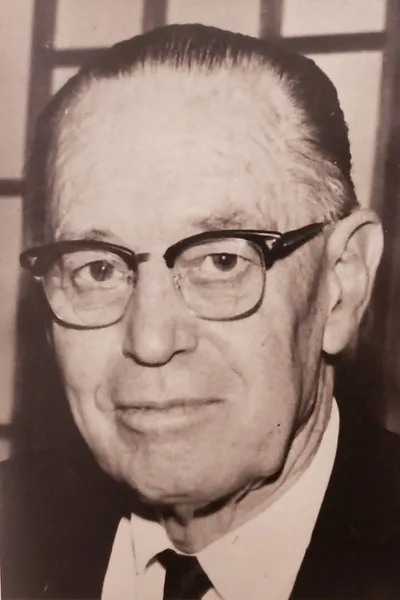
Born in Nebraska and raised in California, Emery Andrews was ordained in 1917 and did his earliest pastoral work with immigrants in Los Angeles. Andrews and his wife Mary Brooks Andrews moved to Seattle in 1919, where he earned degrees from the University of Washington. In 1929 he became the first English-language pastor of Seattle Japanese Baptist Church, working closely with the Church’s young and growing Nisei population, as well as with Nisei at Winslow Baptist Church on nearby Bainbridge Island.
Andrews took a high-profile role in providing relief for his congregations and other Japanese Americans following removal, helping arrange storage for people’s belongings and assisting incarcerees at Puyallup Assembly Center. After most of the members of Seattle JBC were moved to Minidoka, Andrews moved his family to nearby Twin Falls, Idaho to be near them. He provided ministerial services at Minidoka and hosted visitors to the camp at his home. Andrews also made dozens of trips between Idaho and Seattle to recover personal belongings from storage and deliver them to incarcerated families.
Following the end of incarceration and the closure of Minidoka in 1945, Andrews returned to Seattle, where he continued to provide relief services to the displaced members of his congregations. He was a strong advocate for Japanese American control of their own churches and argued forcefully against the suggestion that Japanese Baptist churches should be closed or split between Issei and Nisei. Andrews also made two visits to Japan in the immediate postwar years to help with relief efforts for survivors of the atomic bombing of Hiroshima. He retired from work with Seattle JBC in 1955, but continued to serve the Japanese American community until his death in 1976.
- Title
- Emery Andrews
- Other Media
-
 Biography